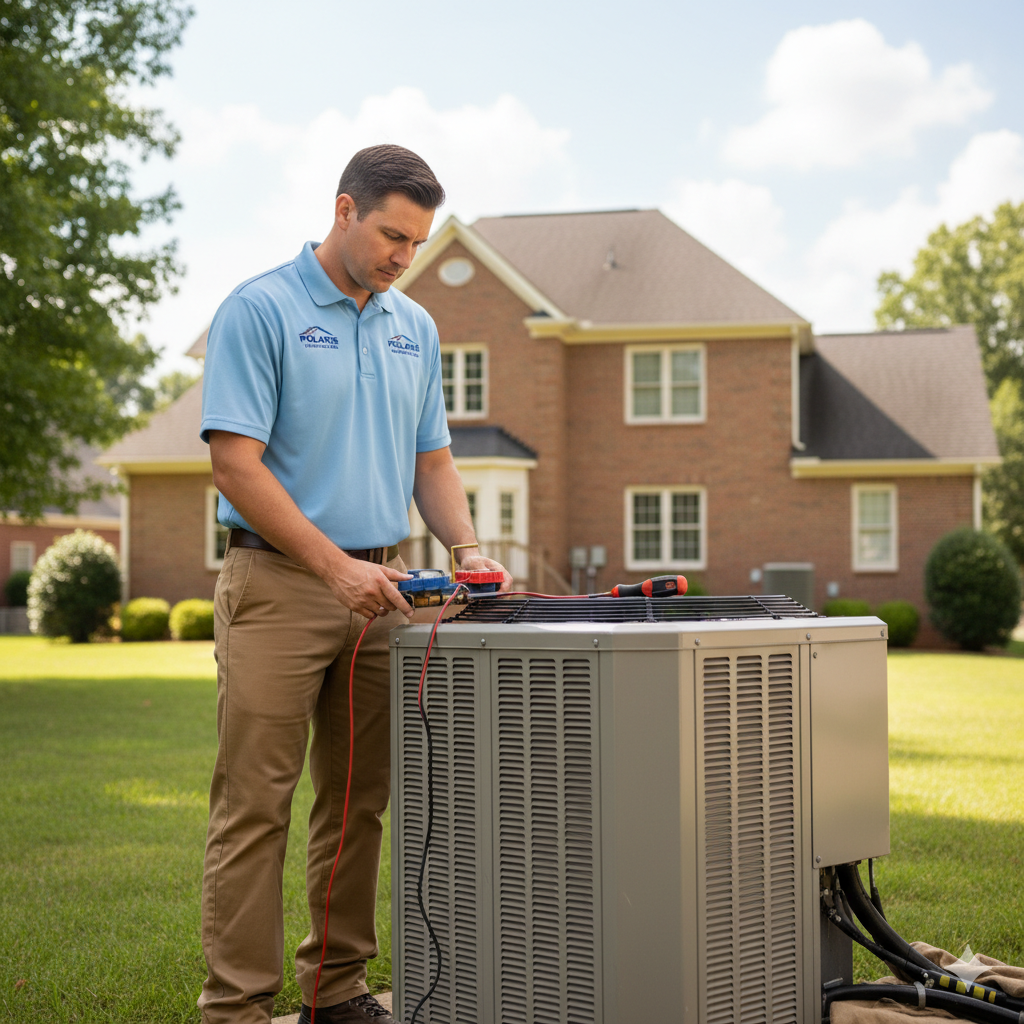
When your cooling system stumbles on a hot afternoon, you want clear answers fast. I’ve written this guide to help you understand common problems, preventative steps, and local resources for air conditioning repair Acworth GA, and I’ll point you to helpful data from the U.S. Census so you can see how cooling needs fit the community. I work with homeowners and property managers across Cobb County and nearby neighborhoods every season, and I’ll walk you through what to look for, what to try safely at home, and when a pro should handle the job.
Why timely air conditioning repair matters in this area
Acworth’s humid, warm summers make a properly running AC not just a convenience but a health and comfort priority. Small issues left unchecked often turn into bigger problems that cost more in repairs or can force premature replacement. I’ve seen worn belts, clogged drains, and low refrigerant escalate into compressor failures that could have been avoided with timely service. Protecting your indoor air quality, staying energy-smart, and maintaining comfort for family, staff, or guests starts with regular attention.
Most common AC problems I find in Acworth homes
These are the recurring issues that I diagnose during service calls around Downtown Acworth, the Lake Acworth area, and along Dallas Highway. Recognizing them early can save money and extend system life.
- Weak or no airflow caused by blocked filters, failing blower motors, or duct restrictions.
- System cycles frequently or runs constantly because of thermostat problems or improper refrigerant charge.
- Warm air from vents when the compressor isn’t engaging—a sign of electrical faults, capacitor failure, or refrigerant loss.
- Water leaks or pooling near indoor equipment due to clogged condensate drains or cracked drain pans.
Simple checks you can do before calling for repair
Before you pick up the phone, try a few safe checks that often fix easy issues. I recommend doing these only if you’re comfortable and can access the equipment safely. Always turn power off at the breaker before touching any wiring or components.
- Change or clean the air filter and inspect return vents for blockages. A dirty filter reduces airflow and efficiency.
- Confirm the thermostat is on the correct setting and that batteries, if used, are fresh. Smart thermostats sometimes need a quick reboot.
- Clear debris around the outdoor unit. Leaves, grass, and tools can obstruct airflow and cause higher operating temperatures.
- Check the condensate drain for visible clogs; a wet/damp pad or clog may be cleared with a gentle flush if accessible.
When to call a licensed HVAC professional
There are times you should call a technician immediately. If you notice electrical burning smells, repeated tripping of breakers, refrigerant leaks (often accompanied by hissing or oily residue), or complete system failure during extreme heat, call for professional help. These issues can involve safety hazards, refrigerant handling rules, and diagnostic equipment that require a licensed, insured technician.
What a quality repair visit looks like
From scheduling to the final check, here’s how I expect a professional service visit to go. Use this as a mental checklist when you hire a contractor so you get reliable, transparent work.
During a thorough visit technicians should perform a detailed system inspection, test electrical components, measure refrigerant pressures if needed, and evaluate airflow and thermostat performance. They should explain findings in plain language, provide a clear estimate for repairs or replacements, and discuss energy-saving recommendations. A professional will clean components where possible, ensure safety controls are operating, and leave documentation of the work performed and any warranty information.
What to ask your technician
When the technician arrives, asking the right questions helps confirm their approach and gives you peace of mind. Ask about licensing and insurance, whether the team has experience with your equipment brand, what diagnostic steps they’ll take, and expected timelines. Also inquire about maintenance plans that can reduce future emergency calls and improve efficiency.
Cost factors and what affects pricing in this area
Repair costs vary widely depending on what’s needed. Labor rates, the complexity of electronics in modern systems, accessibility of equipment, and the availability of parts all affect final pricing. In some cases, older systems use refrigerants that are being phased out, which can increase repair costs or make replacement the more economical option. If a repair approaches or exceeds half the cost of a new, higher-efficiency system, I typically advise considering replacement rather than patchwork fixes.
Trending topics in HVAC to watch
Two trends are reshaping how people in the region manage comfort and energy use: smart controls and heat pump adoption. Smart thermostats paired with zoning can reduce energy waste and keep rooms evenly comfortable. Heat pumps—particularly modern cold-climate versions—are growing in popularity for their efficiency and ability to provide both heating and cooling, which can make sense for homeowners thinking about long-term utility savings and electrification strategies. I recommend asking a technician about these options during a service visit if you’re considering upgrades.
Energy efficiency tips that lower bills and extend system life
Simple habits can make a meaningful difference in how hard your AC must work. I encourage homeowners to follow a seasonal checklist to keep systems efficient and reliable.
- Set a consistent maintenance schedule: clean or change filters monthly in heavy-use seasons and schedule professional tune-ups in spring.
- Use ceiling fans to raise thermostat setpoints by a few degrees while maintaining comfort for occupants.
- Seal and insulate ductwork where possible to prevent conditioned air loss, especially in unfinished attic spaces.
- Consider programmable or smart thermostats to reduce runtime when spaces are unoccupied.
Indoor air quality considerations
Air quality matters year-round, and working AC systems play a big role. Mold growth from persistent leaks, dusty returns, and stagnant condensate lines are common local concerns. During service, I recommend checking filter types and MERV ratings that match your family’s needs; higher MERV filters improve particle capture but may require blower adjustments. For homes with allergy or asthma sufferers, adding a dedicated whole-home air cleaner or improved ventilation can be a worthwhile conversation with your technician.
Choosing the right contractor in Acworth
Choosing a reliable contractor is about skill and communication. Look for technicians who explain diagnostics clearly, offer written estimates, and respect schedules. Local teams who understand Acworth weather patterns, lake-effect humidity near Lake Allatoona, and neighborhood building styles often provide faster, more accurate service than out-of-area quick fixes. Ask for references, and check that the company carries proper liability insurance so you’re protected during on-site work.
Emergency repair: what to expect and how to prepare
Emergency calls happen most at the peak of summer when temperatures spike. If your system fails completely, here’s how to manage until a technician arrives: lower blinds to reduce solar gain, run ceiling fans to maintain comfort, and avoid overloading the home with heat-generating appliances such as ovens. Keep an emergency kit with flashlight, phone numbers, and any warranty paperwork or previous service receipts that will help the technician diagnose faster. Be ready to describe the symptoms and any unusual noises, smells, or recent work done to the system.
How preventative maintenance saves money over time
Regular tune-ups reduce the chance of breakdowns and help systems run more efficiently. Preventative service commonly includes cleaning coils, checking refrigerant levels, lubricating motors, inspecting electrical connections, and testing safety controls. In my experience, customers who schedule semi-annual service visits typically see fewer emergency calls and lower seasonal bills. Preventative maintenance also maintains warranty status on many newer systems, which is an important cost-saver if components fail unexpectedly.
Local context: housing and cooling needs
Acworth and surrounding Cobb County neighborhoods include a mix of older homes and newer developments. That diversity means systems range from compact split units in townhomes near Downtown to larger installations in houses closer to the lake. Population and housing data from the U.S. Census illustrate how household size, home age, and local growth affect cooling demand across the city. When I assess a home, I consider neighborhood characteristics—whether a house sits in the shade near Lake Acworth or on a sunny lot off Bells Ferry Road—because location strongly influences system sizing and efficiency choices.
Replacement vs repair: making the decision
Deciding whether to repair or replace typically depends on age, frequency of past repairs, and efficiency. If your system is over 10–15 years old, uses outdated refrigerant, or needs repeated costly fixes, replacement often offers a better return. A new system can reduce monthly bills and often includes warranties and improved humidity control. I help homeowners weigh immediate costs against long-term savings, factoring in projected energy usage and local climate patterns that drive summer runtime.
How I approach a service call in Acworth
My approach combines clear communication, careful diagnostics, and practical recommendations. I start by asking about the history of the system and recent symptoms, then perform an inspection of outdoor and indoor units, measure airflow and temperatures, and test electrical performance. I explain what I find, provide cost options, and respect your decision timeline. My goal is to restore comfort efficiently and leave you with a clearer plan for maintenance or upgrades.
Final tips for homeowners and property managers
Staying proactive with your cooling system pays off. Schedule an annual or semi-annual tune-up in the spring before heavy use, keep the area around your outdoor unit clear, and review thermostat settings to match occupancy patterns. If you’re managing multiple properties, standardizing on maintenance intervals and keeping service records will reduce emergency calls and extend system life. When in doubt about safety or complex electrical issues, call a licensed technician rather than trying risky DIY repairs.
If you want a straightforward inspection, honest pricing, and clear next steps for keeping your home cool through Acworth’s hottest months, reach out. I work with local homeowners and property managers across the city and nearby neighborhoods to diagnose problems fast, explain repair options, and recommend energy-smart upgrades. For neighborhood-specific advice—whether you’re near Lake Acworth or along Dallas Highway—I’ll make a plan that fits your home’s needs and budget.
Call to schedule a service or to get a clear, no-pressure estimate from HH Mechanical today and keep your cooling reliable through the summer.