I’ve helped hundreds of people understand how targeted bodywork can change daily life, and if you’re researching deep tissue massage in Lexington, KY, you’re in the right place. If you’re wondering whether deep work is safe and effective for chronic aches, the Centers for Disease Control and Prevention offers guidance on pain management and safe, non-opioid approaches to musculoskeletal pain that support using therapeutic massage as part of a larger plan for recovery and maintenance at home and on the job.
Why people in Lexington choose deep tissue massage
Lexington has a mix of office workers, athletes, students, and horse-industry professionals, and each group brings different kinds of wear and tear. Deep tissue massage targets the deeper layers of muscle and connective tissue to reduce tension, break up scar tissue, and improve mobility. I often meet clients who say they work long shifts, run the bluegrass trails, or spend hours commuting along Nicholasville Road and show signs of chronic tightness in the neck, shoulders, and low back. Deep tissue can be the missing piece in their recovery plan.
Common problems deep tissue addresses
Many of my clients arrive with the same list of complaints: persistent knotting between the shoulder blades, recurring low-back stiffness after long days downtown, or tight hamstrings from frequent riding and cycling. Deep tissue is focused on these kinds of issues—chronic, layered tension that light Swedish massage can’t always reach.
How deep tissue massage works
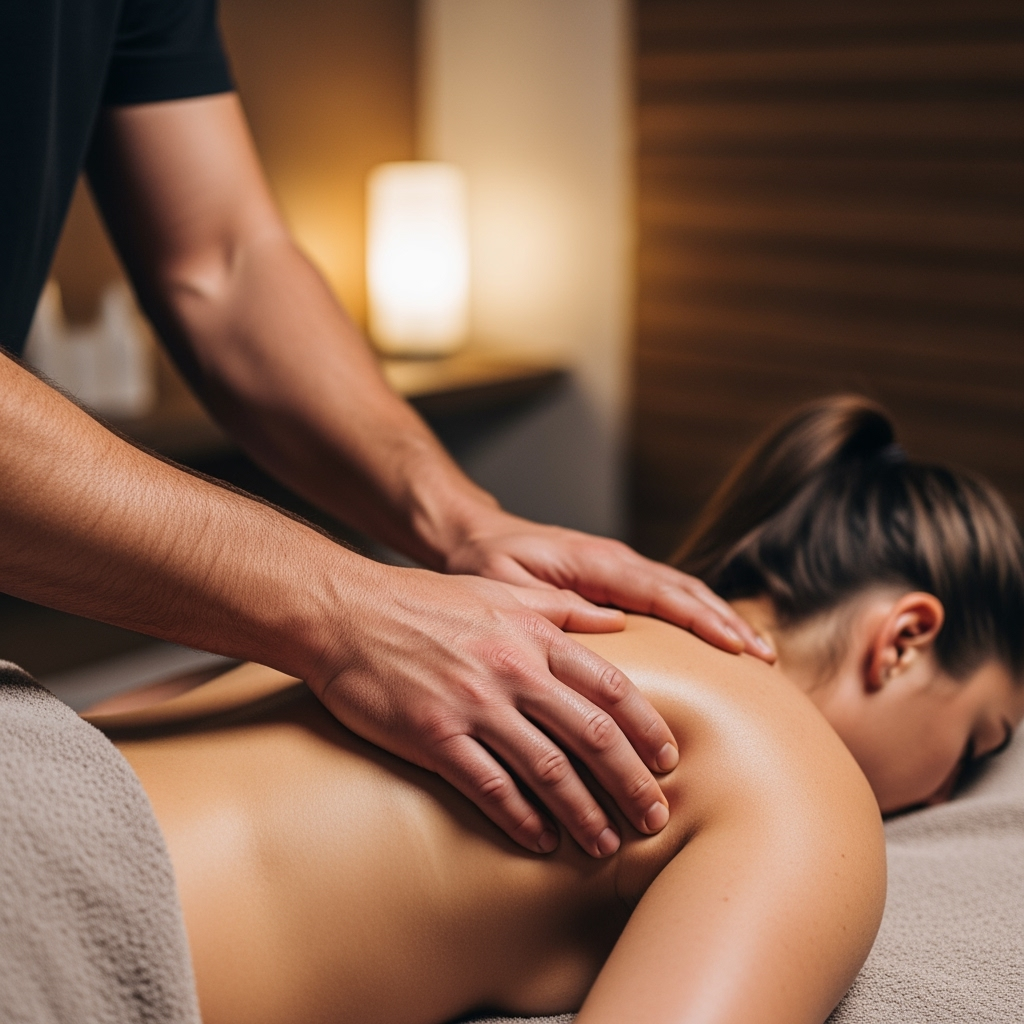
Deep tissue massage uses deliberate, slower strokes and direct pressure to access deeper muscle fibers. Therapists use thumbs, forearms, and elbows to apply sustained pressure that encourages adhesions—bands of painful, rigid tissue—to soften and lengthen. It isn’t simply “hard massage”; it’s a controlled, therapeutic approach that aims for long-term change rather than temporary relaxation alone.
Physiology made simple
When muscles and fascia are chronically tight, they reduce circulation and trap metabolic waste. Deep tissue work helps restore blood flow and oxygen, which supports healing. The process can also calm an overactive protective response in the nervous system, which means less guarding and more normal movement patterns over time. Clients often feel a combination of pressure and release rather than sharp pain when the work is done properly.
What to expect during your first session
First visits are part assessment and part treatment. I’ll start with a short intake about your history, daily habits, and past injuries, then do a movement and palpation check to find the deeper restrictions. Treatment typically focuses on the most problematic areas for the first 30 to 45 minutes, then expands to supporting muscle groups so the whole body can adjust. Communication is key—therapists should ask about pressure, and you should feel comfortable asking for slight adjustments.
- Wear loose, comfortable clothing to the appointment, and plan for at least an hour for the intake and treatment.
- Hydrate well before and after the session; deep work can release metabolic byproducts that feel better with fluids and gentle movement.
- Expect moderate soreness for 24–48 hours in treated areas; light walking and gentle stretching usually help.
Who benefits most from deep tissue massage
Deep tissue is helpful for people with long-standing muscular issues, those recovering from strains, and athletes who need maintenance to keep performance strong. It’s not a one-size-fits-all solution; some people do better with a combination of modalities—trigger point, myofascial release, sports massage, or cupping—to address complex patterns of tension. I always tailor the approach to the person’s goals, whether it’s returning to competitive sport or being able to sleep comfortably through the night.
When to choose a gentler approach
If you’re new to bodywork, very frail, pregnant, or have certain medical conditions, a gentler manual therapy may be recommended first. Good therapists will screen for conditions that require caution and work with your healthcare providers when needed.
Actionable tips for longer-lasting results
Massage is most effective when paired with practical self-care. I give simple, repeatable strategies clients can use at home or between sessions to speed recovery and prevent re-injury. Below are a few of the most effective, evidence-aligned techniques I teach.
- Daily mobility mini-routines: five to ten minutes of targeted movement for hips, shoulders, and thoracic spine to maintain flexibility.
- Heat and hydration: warm showers or a heat pack before movement to encourage blood flow, and drinking water after sessions to support circulation.
- Targeted foam-rolling or lacrosse ball work: short, focused sessions—no more than two minutes per spot—on glutes, calves, or pecs to reduce knots between treatments.
Realistic timelines and frequency
How often you should schedule sessions depends on the complexity of the issue. For acute problems, one to two weekly sessions for a few weeks can speed recovery. For long-standing patterns or chronic pain, a regular plan—every one to three weeks—often produces the most consistent gains. Maintenance sessions every four to six weeks help many clients stay resilient through busy seasons like spring track meets or harvest time at local farms.
Measuring progress
Progress isn’t only about immediate relief. I track range of motion, sleep quality, ability to perform daily tasks, and pain levels over several visits. Small wins—being able to turn the head without a sharp twinge, tying shoes without hesitation—are clues that the treatment plan is working.
Local considerations for Lexington residents
Lexington’s lifestyle plays a role in why deep tissue therapy is so useful here. From the long days at the University of Kentucky to the constant motion in the horse industry and tech/office hubs around Hamburg and Chevy Chase, repetitive positions and heavy use of particular muscle groups are common. I recommend tailoring sessions to the seasonal rhythms of the city—more focus on the lower back and hips during outdoor spring activities, more neck and upper back work during heavy desk months, and integrated sports recovery in the fall when local leagues ramp up.
Neighborhood tips
If you live near downtown or commute from Fayette County suburbs, consider booking a session after a long workweek to address cumulative stiffness. Those who train on local trails or compete in regional events often do best with pre-event tune-ups and post-event recovery sessions to prevent small issues from becoming large ones.
Trending topics in massage therapy
The field of manual therapy is evolving. Two trends I’m watching closely are the integration of soft-tissue work with technology-driven recovery tools—like percussive devices used as a warm-up supplement—and the growing interest in recovery plans that combine hands-on therapy with movement coaching and sleep hygiene. These trends reflect a broader shift: clients want measurable outcomes and simple at-home routines that extend the benefits of clinic visits.
How I incorporate trends safely
I use percussion tools and guided movement only when they serve a clear purpose for the client’s goals. For instance, a short percussive warm-up before a session can make muscle fibers easier to treat, while a tailored mobility sequence post-session helps consolidate gains. The technology complements, but doesn’t replace, skilled hands-on assessment and technique.
Choosing the right therapist in Lexington
Not all therapists practice deep tissue the same way. When you’re choosing someone, look for a practitioner who conducts a thorough intake, asks about your medical background, and explains the treatment plan. Trust your comfort with their communication style: a therapist should check in about pressure and effect during the session. If you’re unsure, ask for a brief phone consult to discuss goals and any specific concerns before booking.
Questions to ask before booking
Ask about qualifications, hands-on experience with deep tissue techniques, session length, and what to expect in terms of soreness or aftercare. A transparent therapist will welcome these questions and offer clear recommendations tailored to your needs.
Safety, contraindications, and aftercare
Deep tissue massage is safe for many people, but there are important exceptions. Active infections, deep vein thrombosis, uncontrolled high blood pressure, and certain recent surgeries or fractures require caution or medical clearance. A good therapist will screen for these conditions and refer you back to your healthcare provider when necessary. After a deep session, light movement, hydration, and rest are the cornerstones of aftercare. Avoid heavy lifting or intense exercise for 24–48 hours if you’ve had a particularly intense treatment.
Signs you should pause and contact a professional
If you experience severe or worsening pain, numbness, or any unusual symptoms after a session, contact your therapist and your healthcare provider. These signs are uncommon but important to recognize early.
Costs and value: making massage fit your budget
Therapy prices vary depending on session length, therapist experience, and specialty certifications. Instead of thinking only about cost per session, consider value: consistent, targeted treatment that helps you sleep better, move freely, and avoid missed days at work can be a high-return investment. Many clients find an initial intensive phase followed by maintenance sessions to be the most cost-effective strategy.
Final thoughts: getting started with confidence
Starting massage therapy can feel overwhelming, but a practical plan makes it straightforward. Begin with a conversation about goals, try a single focused session, and pair it with the short self-care steps above. Over time, the right combination of deep tissue work and simple daily routines can shift chronic patterns and make everyday motion easier.
I encourage you to reach out and ask questions—good therapists welcome curious clients, and a clear plan helps you get the most from each session. If you’re ready to book or want a friendly consultation about what deep tissue could do for you in Lexington, KY, consider Relax You Deserve It for personalized care tailored to your goals. Corey Proffitt Studios can help you move better and feel more like yourself again.